
REVIEW · BELFAST BLACK TAXI TOURS
Official World Famous Belfast Black Taxi Tour
Belfast’s murals hit harder in person. This private black taxi tour is a fast way to see the Falls Road and Shankill Road walls, with 1970s photos and video context that makes the Troubles feel specific, not vague. One possible drawback: the subject matter is heavy, with memorials and separation barriers that demand respect and a calm pace.
I like that the stops are tightly planned, so you spend your time photographing, listening, and absorbing, not crossing the city on your own. The mood is sober, but the guiding is practical and readable, so you can make sense of what you are seeing while you are standing in the exact areas tied to those stories. Guides such as Paula and Barry are especially praised for going above and beyond and answering questions with patience.
In This Review
- Key highlights you should know before you go
- Entering Belfast mural country, one taxi ride at a time
- Divis and the Falls Road start: Welcome Wall, Divis Tower, and the mural stories
- International Mural Wall and Peace Gates: hunger strikers, global symbols, and what got painted
- The Peace Wall: what separation looks like, and why people mark it
- Shankill Road and the Loyalist side: flags, bonfires, and Bayardo Bar memories
- Peace Wall Belfast section with major signatures, plus the memorial garden stops
- Bobby Sands, IRA memorial sites, and what the gardens tell you
- Time, group size, and how the pacing works in 1.5 to 2 hours
- Price and value: why $130.34 can make sense for a private mural tour
- Practical tips for getting the most out of a heavy, photo-friendly tour
- Who this Belfast murals and Peace Wall tour is best for
- Should you book it
- FAQ
- How long is the Belfast Black Taxi Tour?
- What is the price per person?
- Is pickup included?
- Are admission tickets included for the stops?
- What stops will I see during the tour?
- What time does the tour run?
- How big is the group?
- Do I need to pay extra if I want drop-off elsewhere?
- Can I cancel for a full refund?
Key highlights you should know before you go
- Private taxi saves real walking time between the Falls Road and Shankill Road sites
- Murals by ex-prisoners get explained with stories behind the paint, not just names on walls
- 1970s-era photos and video are used as context for what you are looking at today
- Both community perspectives are covered with stops on the Falls Road and Shankill Road
- Peace Wall photo moments include the Peace Gates and signature sites tied to major figures
- Memorial gardens add names and places, turning slogans into individual stories
Other black cab drivers we have ridden with in Belfast
Entering Belfast mural country, one taxi ride at a time
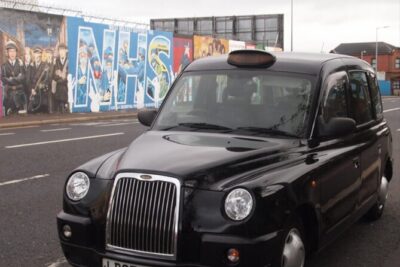
Belfast can be confusing on your own. Streets are close, but the symbolism is not. Neighborhood lines, wall sections, and memorial spots sit in very particular places, and you lose a lot when you try to hop between them without context.
That is where the black taxi approach pays off. You are not doing a long self-guided walkathon. Instead, you ride a private taxi between stops, with a local guide driving the story. The result is that you can keep your eyes up, take photos at the right moments, and still understand what the mural actually means when you are looking at it.
The format is also built for time. Expect about 1 hour 30 minutes to 2 hours, with multiple short stops built around the most important wall and memorial locations. If you are visiting alongside the Titanic Quarter or doing other Belfast hits, this tour is the kind of add-on that still feels central, not rushed.
Divis and the Falls Road start: Welcome Wall, Divis Tower, and the mural stories
The tour begins on the Falls Road area, at the start of West Belfast. Your first stop is at the Welcome Wall on the Falls Road, tied to the strong Republican identity of the area. This is a good entry point because it sets the emotional tone quickly, then gives you a way to read the wall art without guessing.
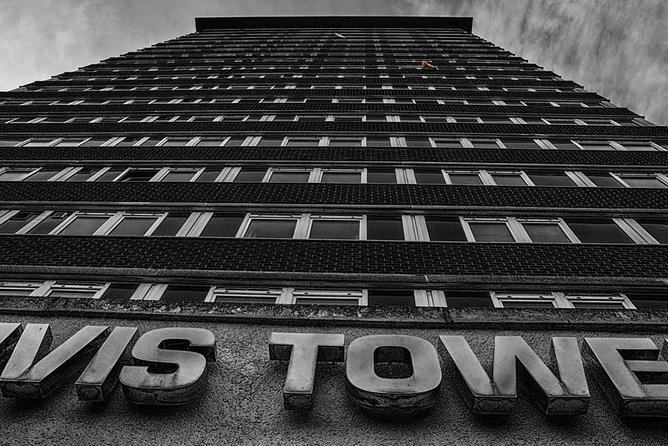
Right in this opening zone, you will also see Divis Tower. The details matter here. The tower was occupied by the British Army, and it served as an observation point, including a snipers nest during the Troubles. Seeing that past military use alongside today’s murals is one of those “wait, this is real” moments. You can’t separate the art from the place.
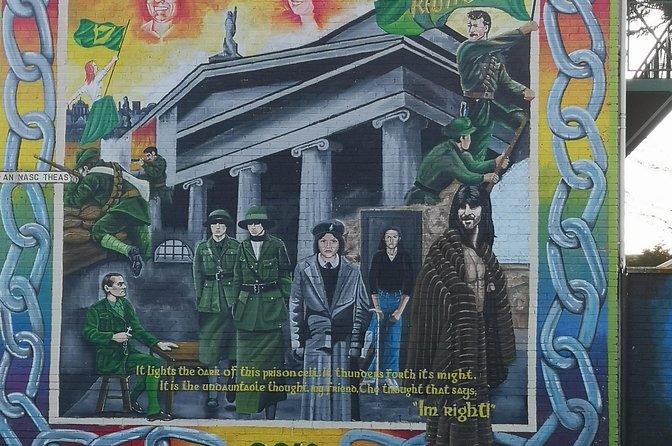
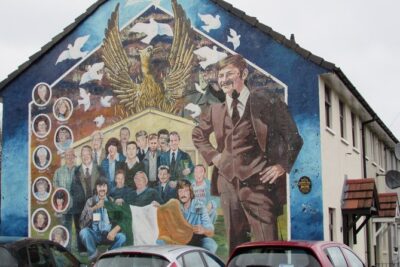
Next, you focus on the murals. This part of the city is famous for politically charged artwork, including murals painted by ex-prisoners from different sides of the community. Your guide translates what you see into clear, understandable stories, and one of the most helpful tools is the use of photographs and video from the 1970s onward. That visual link helps you picture the neighborhood when those events were unfolding, not just the cleaned-up version you see today.
If you are the type who likes to take photos but also wants the “why,” this stop is made for you. Plan to pause often, because the guide will point out specific scenes and meanings in a way that turns a wall into a timeline.
International Mural Wall and Peace Gates: hunger strikers, global symbols, and what got painted
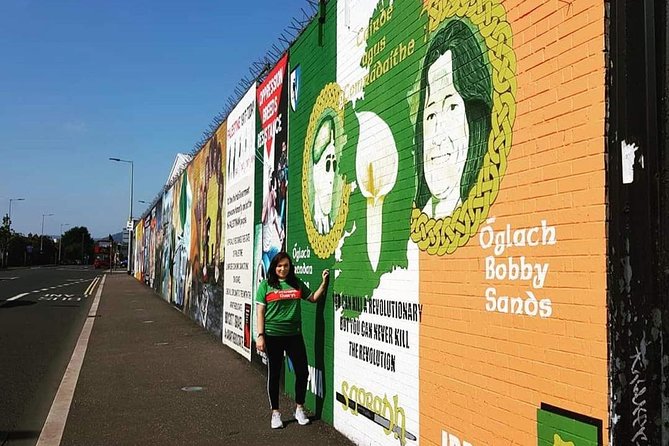
One of the best photo stops is the International Mural Wall on Divis Street, described as the largest outdoor gallery of politically charged art in Western Europe. The scale alone makes it worth it, but the value comes from how much your guide connects the murals to real events and real people.
You will see references to the 1981 Ten Hunger Strikers, including Bobby Sands. If you have only heard the names in passing, seeing them built into wall art makes it click. Your guide also explains the battle associated with Margaret Thatcher, referred to here as the Iron Lady, and how that era shaped what people painted and preserved publicly.
What I also like about this stop is the mix of local and global themes. The murals include references to other conflicts, including Palestine and Israel, and more recent political commentary such as George Floyd and the Black Lives Matter movement. You will likely spot a range of styles and symbols, and your guide will help you connect the imagery to the message.
Two other moments are key for photographers. You will capture images connected to the Peace Gates, and you will also see murals featuring Nelson Rolihlahla Mandela. Mandela’s presence here matters because it frames Belfast’s mural culture as part of a wider language of resistance, civil rights, and political identity.
These stops are intentionally short. You get about 10 minutes, so the tip is simple: decide in your head what you want to photograph first, then let the guide talk while you grab the shots you care about. You are not trying to photograph every inch.
- Titanic Belfast Entrance Ticket: Titanic Visitor Experience Including SS Nomadic
★ 4.5 · 3,698 reviews


The Peace Wall: what separation looks like, and why people mark it
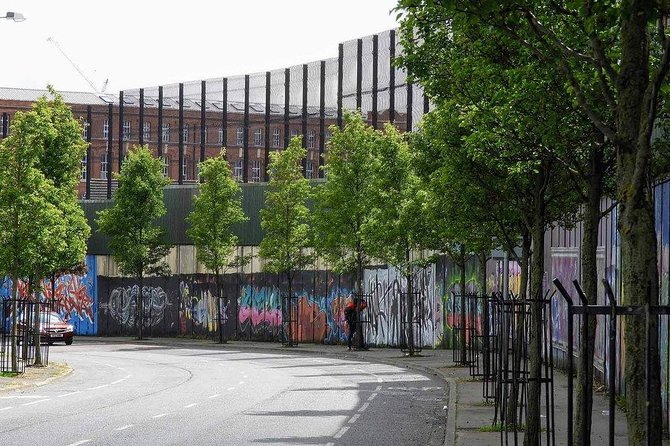
Then you move from murals to structure, the physical lines that split neighborhoods: the Peace Walls. Your stop here is designed for understanding and photos. You will learn what these barriers are meant to do, where they exist, and why the “peace” label sits alongside something people experience as daily separation.
The tour explains that the peace lines are separation barriers between predominantly Republican and Catholic areas and predominantly Loyalist and Protestant areas. The stated purpose is to minimize inter-communal violence. But the tour also makes it clear that they are not just historical artifacts. They are present, built at urban interface areas in Belfast and also in places like Derry, Portadown, and elsewhere.
You will learn the basics that help you interpret what you see:
- They can be made of iron, brick, and/or steel
- They can be up to about 25 feet (8 meters) high
- Some have gates that allow daylight passage but close at night
- Length varies, from a few hundred yards to more than three miles
When you are standing near one, those numbers matter less than the feeling of scale and the sense of enforced boundary. I found that understanding the height, material, and gate patterns makes photos more meaningful, because you can show not just a wall, but the idea of controlled access.
A good photo strategy: shoot wide first to show the wall’s setting, then step in closer for text and signatures later if the tour includes them at the next wall section.
Shankill Road and the Loyalist side: flags, bonfires, and Bayardo Bar memories
Next you go to the Shankill Road area, which the tour frames as the heartland of Ulster Loyalism. This is where the tour’s balanced approach comes into focus. You do not only see one community’s stories. You see another one, through murals, memorials, and the meanings behind them.
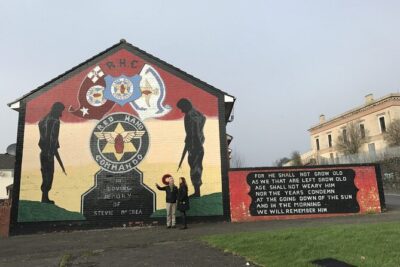
Your guide covers King Billy bonfires and the House of Orange symbolism. You’ll also look at Loyalist murals on the Shankill Road, including the one tied to Stevie Top Gun and the flags that adorn the street.
Like the Falls Road segment, this area is filled with coded references. The guide explains the role Loyalists played during the Troubles and points you toward key memorial sites. One of the most important stops here is the Bayardo Bar Memorial. You will also see images of the Queen and UVF paramilitaries.
This stop can feel intense, but it works if you keep your expectations realistic. You are not there for a casual photo walk. You are there to understand how a community preserves identity, grief, and politics in public art and memorial form.
You also get a clear sense of how these places are not just backdrops. Flags, murals, and memorial markers function like public language. Your guide acts like a translator so you can read that language without pretending you already know it.
Peace Wall Belfast section with major signatures, plus the memorial garden stops
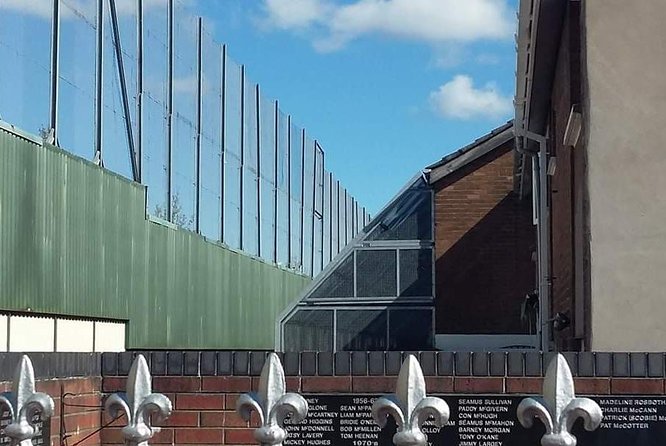
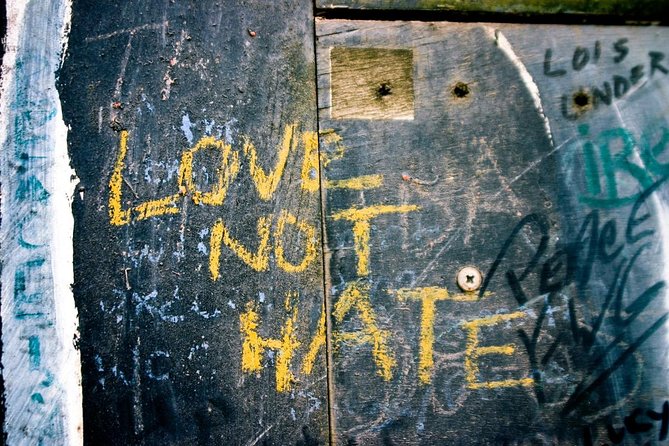
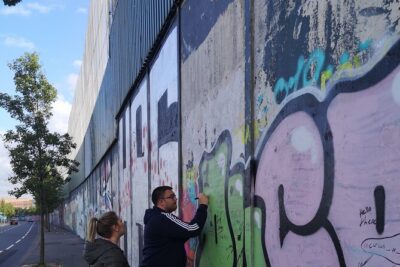
Another key wall stop is at a larger section of the Peace Wall where famous names were signed: Bill Clinton and Dalai Lama. This is a short stop, but it is one of those “how did this become a thing” moments that helps you understand how international attention can intersect with local reality.
Your guide also notes that you can write your name and leave a message. It’s one of those practical add-ons that turns a wall into a living visitor space, not just a historical marker. You get time for photos here, too, including angles that show the wall surface and the activity around it.
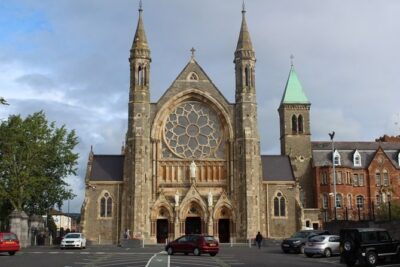
After that, you shift back into memorial spaces. One stop is the Clonard Martyrs Memorial Garden, described here as an Irish Republican memorial garden. Even with a short visit, the point is to see how remembrance is organized, not just shouted. Gardens often feel quieter than streets, and that can make the stories land harder.
Then you return briefly to mural areas again, including another look at the International Wall on Divis Street and another stop tied to Bobby Sands on the Falls Road. This repeated structure is not accidental. You are meant to compare and connect. Same neighborhood language, different angle, different layer of meaning.
Bobby Sands, IRA memorial sites, and what the gardens tell you
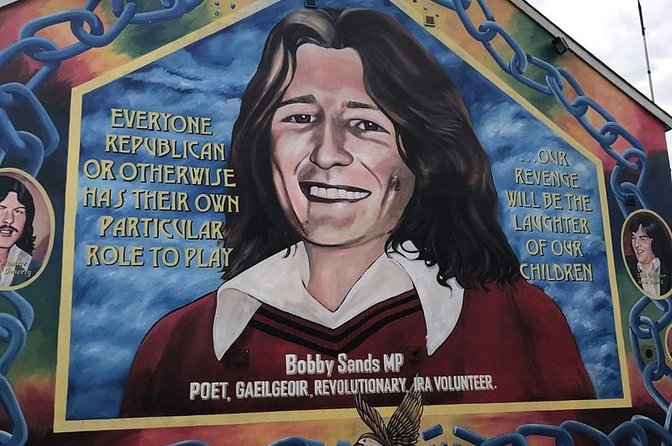
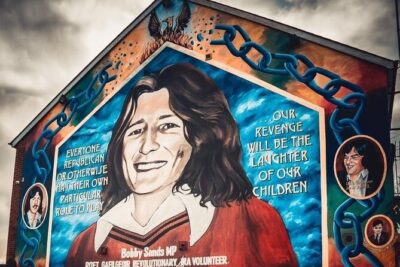
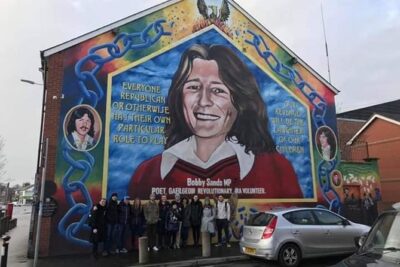
One of the tour’s most specific and recognizable stops is the Bobby Sands Mural on the Falls Road, tied to the Political Wing of Sinn Féin. This is not only about a portrait. It is about how a name becomes a symbol, and how symbol becomes political memory in public space.
From there, you visit the Garden of Remembrance at the heart of Republican West Belfast. This is the IRA D Company Garden of Remembrance, and it includes the names of IRA Volunteers killed in action. That detail is important. You are not looking at an abstract idea. You are looking at listed names and the physical act of keeping records visible.
Next, you move back to the Loyalist memorial side with a Shankill Road Memorial Garden at the site of the former Bayardo Bar. Even though the garden stop is brief, it adds another piece of the story, tying street life, conflict, and memory into one location.
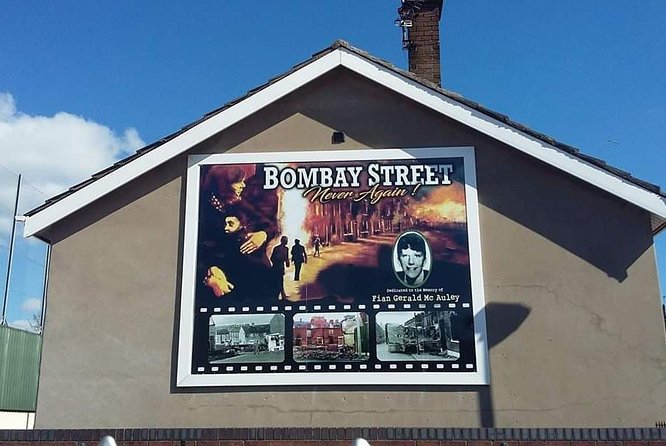
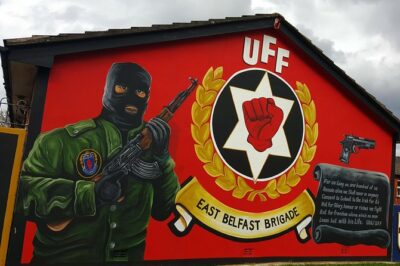
Then there is one final mural photo stop at 56 Sherbrook Cl, focused on murals of armed Loyalist paramilitaries. This last short stop helps the tour end where it began, with visuals that feel immediate, not museum-like.
Time, group size, and how the pacing works in 1.5 to 2 hours
This is designed to fit inside a half-day rhythm. Tours start at 9am, 11am, 1pm, and 3pm, and 5pm, and the whole flow is built around short stops. Many sites are only about 5 to 15 minutes each, which is exactly why the taxi is valuable. You do not spend big blocks of time stuck in transit, and you do not lose your guide’s thread.
Group size is set at a maximum of 18 people per booking, and it is private in the sense that only your group participates. That matters for questions. In heavier subject matter tours, the ability to ask and have your guide respond without feeling rushed is a real quality-of-life factor.
If you need a smooth experience, arrive a few minutes early to your pickup point. That gives you a buffer in case of traffic. From what I have seen in the experiences shared by people who took this tour, guides tend to be patient about minor timing issues, but it still helps to start calm.
Also consider what you bring. I suggest comfortable shoes, a phone with enough storage for video and photo, and a willingness to listen longer than you think you will. This tour rewards people who want context, not only pictures.
Price and value: why $130.34 can make sense for a private mural tour
The listed price is $130.34 per person, and that is not pocket change. But in this specific case, the value comes from three things working together.
First, you get a private black taxi for a packed route across multiple sites tied to different community narratives. Second, the tour includes a local professional guide, and the explanation is what turns murals into something you can actually understand. Third, the tour notes that admission tickets are included for the stops listed along the route, which can matter when you are planning costs.
When you compare this to doing the same route on your own, the biggest hidden cost is time. Taxi saves you the practical problem of moving quickly between separated areas and major wall segments. The tour also saves you the mental work of figuring out what to look for at each stop.
If you want a Belfast experience that is more meaningful than a photo reel, this price can feel fair. If you only want the quick highlights without the context, you might question the spend. For most people who are curious about why Belfast looks the way it does, it feels like a well-aimed use of time.
Practical tips for getting the most out of a heavy, photo-friendly tour
This tour mixes visuals with sensitive topics. That means you should treat it like a guided history and remembrance experience, not a casual city walk.
A few practical moves that help:
- Wear layers. Wall areas can feel windier than you expect, and memorial spots are often outdoors.
- Bring water. Stops are short, but you still want to stay comfortable enough to focus.
- Have your questions ready. Your guide is there to answer, including follow-ups about what murals mean and why the peace walls exist.
- Take wide photos first, then tighten in for details. It helps you later when you are sorting shots.
Also think about timing. If you are the kind of person who gets overwhelmed by intensity, you may prefer an earlier start time when you still have full energy. If you are already seeing other sights that day, build in mental space. This tour is not background noise.
Pickup is offered in central Belfast. If you are arriving via a cruise ship port, there is an extra £20 each way paid in cash. You can request hotel or Airbnb pickup and drop-off if you want it.
If your plans include another major site, you can request drop-off after at Titanic Museum or Crumlin Road Gaol for an extra £10 paid directly to your guide. There is also an option to upgrade to a Luxury Mercedes Benz for an extra £20 if available.
Who this Belfast murals and Peace Wall tour is best for
This tour is ideal for you if you:
- Want a structured way to understand Belfast’s murals and memorial spaces
- Care about the stories behind the paint, including references tied to the Troubles
- Prefer a private taxi approach to save walking and keep the narrative flowing
- Like photography but also want context, so your images mean something later
It may not be your best match if you:
- Want only light sightseeing and do not want to deal with separation barriers and memorial names
- Prefer a self-guided pace where you never have to listen to history for a sustained chunk of time
- Are sensitive to politically charged imagery and memorial themes
For families, the tour notes that children must be accompanied by an adult. How well it works will depend on your child’s maturity level and your comfort with the topics.
Should you book it
Yes, if you want Belfast’s murals to make sense in real time. This tour gives you the structure that many people miss when they try to do the same areas on their own. The combination of a private black taxi, tight stops, and guided context using 1970s-era visuals makes the experience feel focused instead of chaotic.
If you book it, do it with the right mindset. Go for understanding, photos, and perspective, and you will leave with a stronger grasp of why Belfast remembers through walls. If you want a quick, cheerful city highlight, look elsewhere.
FAQ
How long is the Belfast Black Taxi Tour?
It runs about 1 hour 30 minutes to 2 hours.
What is the price per person?
The tour price is $130.34 per person.
Is pickup included?
Pickup is offered in free central Belfast. Hotel or Airbnb pickup and drop-off is available if you request it. Cruise ship passengers have an extra £20 each way cash.
Are admission tickets included for the stops?
Yes. The tour lists admission ticket included for the stops along the route.
What stops will I see during the tour?
You will visit major mural and memorial areas on both sides of the city, including Divis and the Falls Road murals, Peace Wall sections, Shankill Road murals, Bayardo Bar memorial area, and several memorial gardens, plus mural photo stops including 56 Sherbrook Cl.
What time does the tour run?
Start times are 9am, 11am, 1pm, 3pm, and 5pm.
How big is the group?
There is a maximum of 18 people per booking, and it is a private tour where only your group participates.
Do I need to pay extra if I want drop-off elsewhere?
If you want drop-off after at Titanic Museum or Crumlin Road Gaol, there is an extra £10 paid directly to your guide. Upgrading to a Luxury Mercedes Benz is an extra £20 if available.
Can I cancel for a full refund?
Yes, you can cancel for a full refund if you cancel at least 24 hours before the experience start time. Free cancellation is available up to 24 hours in advance.
Other Tours We Have Been On
- Cab Tours Belfast Famous Black Taxi Tours
★ 5.0 · 3,633 reviews - A History of Terror – Belfast City Centre Walking Tour
★ 5.0 · 2,883 reviews - Game of Thrones and Giant’s Causeway Full-Day Tour from Belfast
★ 5.0 · 2,291 reviews - Private Black Taxi Belfast City Tour
★ 5.0 · 2,188 reviews - City Sightseeing Belfast Hop-On Hop-Off Bus Tour
★ 4.5 · 2,012 reviews
More From the Northern Ireland Pile
- Titanic Belfast Entrance Ticket: Titanic Visitor Experience Including SS Nomadic
★ 4.5 · 3,698 reviews - Cab Tours Belfast Famous Black Taxi Tours
★ 5.0 · 3,633 reviews - A History of Terror – Belfast City Centre Walking Tour
★ 5.0 · 2,883 reviews - Game of Thrones and Giant’s Causeway Full-Day Tour from Belfast
★ 5.0 · 2,291 reviews - Private Black Taxi Belfast City Tour
★ 5.0 · 2,188 reviews
Belfast, From the Back of a Cab
- Cab Tours Belfast Famous Black Taxi Tours
★ 5.0 · 3,633 reviews - Private Black Taxi Belfast City Tour
★ 5.0 · 2,188 reviews - Belfast’s Political Mural Taxi Tour
★ 5.0 · 1,180 reviews - Belfast black taxi tours
★ 5.0 · 1,166 reviews - Official World Famous Belfast Taxi Tour ™
★ 5.0 · 623 reviews
More reviews from around the north
- Belfast history of terror & mural 1 hr express private taxi tour★ 5.0 · 3 reviews
- Game of Thrones scene location inc Giants causeway from Belfast★ 5.0 · 3 reviews
- Experience the Antrim Coast and the Land of Giants – Private Tour★ 5.0 · 3 reviews
- Giants Causeway Tour From Belfast including Game of thrones sites★ 5.0 · 3 reviews
- Private Coast Tour in Belfast★ 5.0 · 3 reviews
- Belfast to Dublin Transfer★ 5.0 · 3 reviews
Belfast Black Taxi Tours, in full.
 ★ 5.0Cab Tours Belfast Famous Black Taxi ToursFrom $1003,633 reviews
 ★ 5.0Private Black Taxi Belfast City TourFrom $1102,188 reviews
 ★ 5.0Belfast’s Political Mural Taxi TourFrom $481,180 reviews
 ★ 5.0Belfast black taxi toursFrom $551,166 reviews
 ★ 5.0Official World Famous Belfast Taxi Tour ™From $90623 reviews
 ★ 5.0Iconic Belfast Black Cab TourFrom $97449 reviews
 ★ 5.0Belfast Murals Taxi TourFrom $62341 reviews
 ★ 5.0Political Taxi Tour Belfast (1-7 People)From $51294 reviews
Appears in